Collagen is what keeps skin looking firm, smooth, and refreshed, but natural production slows over time. Procell microchanneling helps stimulate the skin’s repair process to support new collagen and elastin growth from within. For smoother texture, healthier-looking skin, and a natural glow, this treatment is a smart step toward visible skin renewal.
How does Procell microchanneling work?
Procell microchanneling works by creating tiny, controlled microchannels in the skin that activate the body’s natural repair response. This process encourages the production of new collagen and elastin while allowing growth factor serums to penetrate more effectively.
How Collagen Supports the Skin
Collagen acts like internal scaffolding for the skin. It helps maintain firmness, supports elasticity, and contributes to a smoother texture. In younger skin, collagen production is more active and consistent. Over time, that production slows down.
Age is only one factor. Sun exposure, stress, poor sleep, dehydration, pollution, and inflammation can also affect collagen health. When collagen breaks down faster than the body replaces it, visible changes can begin to appear. Fine lines may become more noticeable. Skin texture may feel rougher. Pores can appear more prominent. Acne scars or uneven areas may stand out more clearly.
Topical skincare can support the outer barrier, hydration, and brightness, but collagen remodeling happens deeper in the skin. That is why treatments designed to encourage a repair response can be helpful for concerns related to texture, firmness, and overall skin quality.
What Makes Procell Microchanneling Different
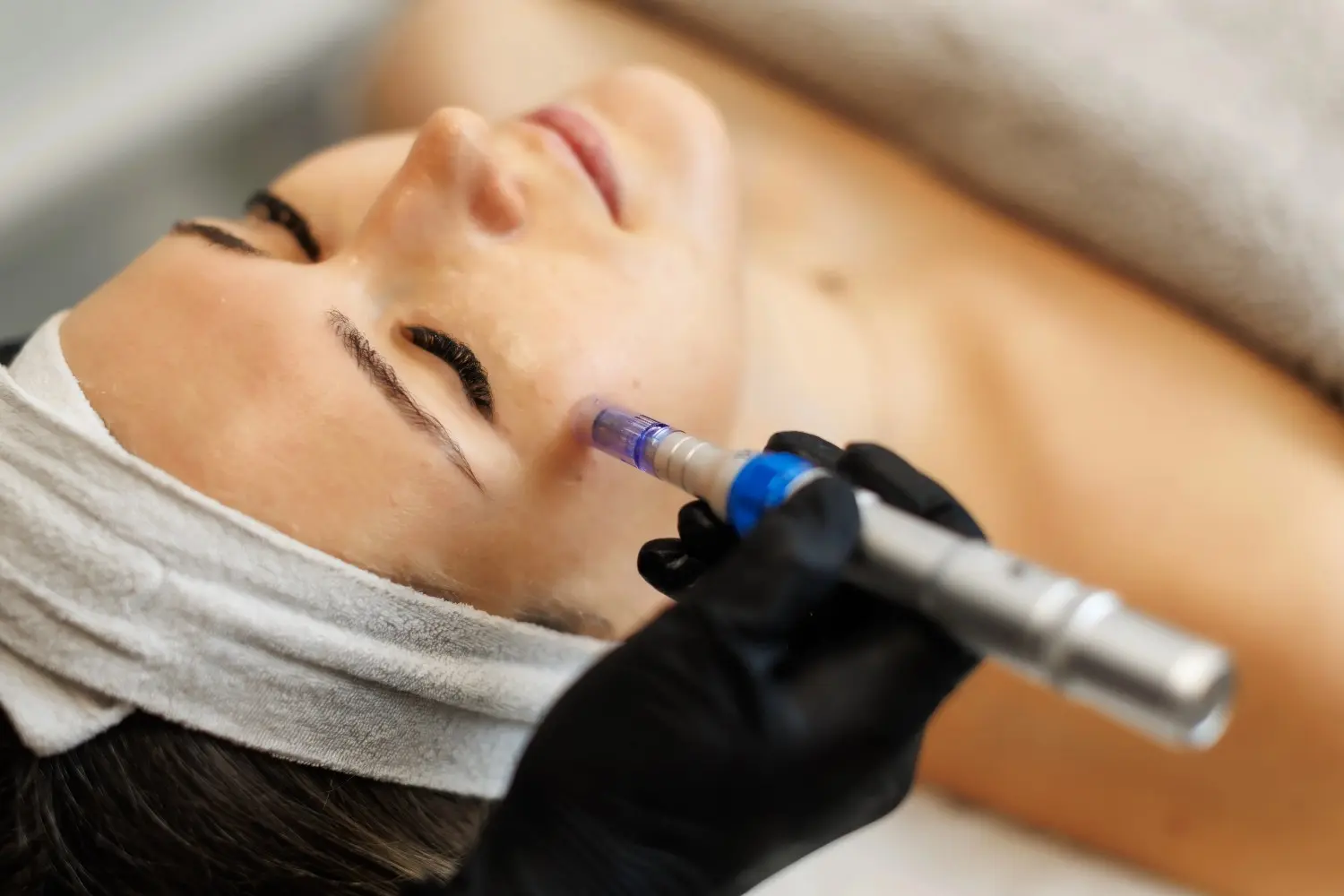
Procell microchanneling is a professional skin treatment that uses a device with fine filaments to create precise microchannels in the skin. These channels are small, controlled openings that activate the body’s repair process without removing layers of skin.
The goal is not to damage the skin aggressively. The goal is to create enough stimulation for the skin to respond in a productive way. Once the channels are created, the body begins sending repair signals to the treated area. This process encourages fibroblast activity, which is important because fibroblasts are the cells involved in producing collagen and elastin.
This is why the treatment is often described as a collagen stimulation treatment. It does not add collagen to the skin. Instead, it encourages the skin to make more of its own structural support.
The Skin’s Repair Response
The skin is highly responsive. When it detects a controlled disruption, it begins a sequence of repair. First, signaling molecules and growth factors become active. These messengers help coordinate healing and tell skin cells what to do next.
Then, fibroblasts become more active. These cells help produce new collagen fibers, which support the skin from within. Over time, the collagen network can become stronger and more organized.
How Growth Factors Support the Process
A key part of many Procell treatments is the use of targeted serums after the microchannels are created. These serums are designed to support the skin during its repair phase. Because the channels are open for a short time after treatment, the skin is more receptive to topical ingredients than it would be during a normal skincare application.
Growth factors are especially important in this context. They are naturally occurring proteins that help regulate repair, renewal, and cellular communication. When used with microchanneling, they can support the environment the skin needs for recovery and collagen-building activity.
What Skin Concerns Can It Help Improve?
People often choose Procell skin rejuvenation because they want smoother, healthier-looking skin without a more aggressive procedure. Since collagen plays a role in many visible skin concerns, microchanneling may be used to support improvement in several areas.
It may help with fine lines, rough texture, enlarged-looking pores, acne scars, mild laxity, dullness, and uneven skin tone. It can also be used on areas beyond the face, depending on the client’s concerns and provider recommendations.
The improvements are usually gradual. Skin may look brighter or feel smoother shortly after treatment, but collagen remodeling takes time. More visible changes often develop over several weeks.
Why Results Take Time
Collagen does not form overnight. After treatment, the body moves through its natural repair cycle. During this period, new collagen fibers are created and remodeled. This is why results can continue to develop after the skin looks fully recovered on the surface.
Some clients may notice changes after one appointment, while others need multiple sessions to see a more meaningful improvement. Factors such as age, skin condition, lifestyle, sun exposure, and treatment goals can all influence the process.
A steady approach often works best. Skin renewal is not just about triggering collagen once. It is about giving the skin repeated, controlled opportunities to repair and strengthen itself in a healthy way.
What to Expect From a Procell Facial Treatment
If you’re considering a Procell facial, knowing what the experience looks like from start to finish can help you feel confident and prepared. This treatment uses microchanneling technology to stimulate your skin’s natural repair process. It may sound intensive, but most people find it comfortable and well worth the brief recovery period. Here’s a step-by-step look at what to expect.
Before the treatment:
- The skin is cleansed and the treatment area is prepped
- A numbing product may be applied depending on your sensitivity level and treatment plan
During the treatment:
- A device is moved across the skin to create tiny microchannels
- Most clients describe the sensation as light prickling or vibrating — not significant pain
- A serum is applied after microchanneling to support the skin’s repair response
Aftercare tips to follow:
- Avoid direct sun exposure
- Skip harsh skincare products for a short period
- Hold off on heavy exercise or sweating
- Wait to apply makeup until your provider gives the go-ahead
Is Procell Microchanneling Right for You?
Procell microchanneling may be a good option for someone who wants to improve skin texture, soften the look of fine lines, support firmness, or address the appearance of acne scarring. It may also be appealing to those who prefer a treatment that works through the body’s natural repair process rather than a more intensive resurfacing method.
A consultation is the best way to determine if the treatment fits your skin goals. Not every skin concern responds the same way, and some conditions may require a different approach. A qualified provider can review your skin, discuss your history, and recommend a plan that makes sense for your needs.
Nashville Wellness & IV Procell Microchanneling in Nashville, TN
At Nashville Wellness & IV, skin health is viewed as part of a larger wellness picture. Our team focuses on helping clients feel, function, and live at their highest potential through medically supervised services designed to support energy, vitality, and overall well-being.
For patients interested in Procell microchanneling in Nashville, TN, the treatment fits naturally within this whole-body approach. Healthy-looking skin is not separate from internal wellness. Hydration, nutrition, cellular health, sleep, hormones, stress, and lifestyle can all influence how the skin looks and responds to treatment.
Improve the appearance of acne scars, fine lines, and uneven texture with Procell Microchanneling.
Frequently Asked Questions
How does Procell microchanneling support collagen production?
Procell Microchanneling creates controlled microchannels that signal the skin to begin its natural repair process and produce new collagen.
Is Procell microchanneling good for fine lines?
Yes, it may help soften the look of fine lines by supporting collagen renewal beneath the skin’s surface.
How long does collagen stimulation take after treatment?
Collagen remodeling happens gradually, so improvements often develop over several weeks after each session.